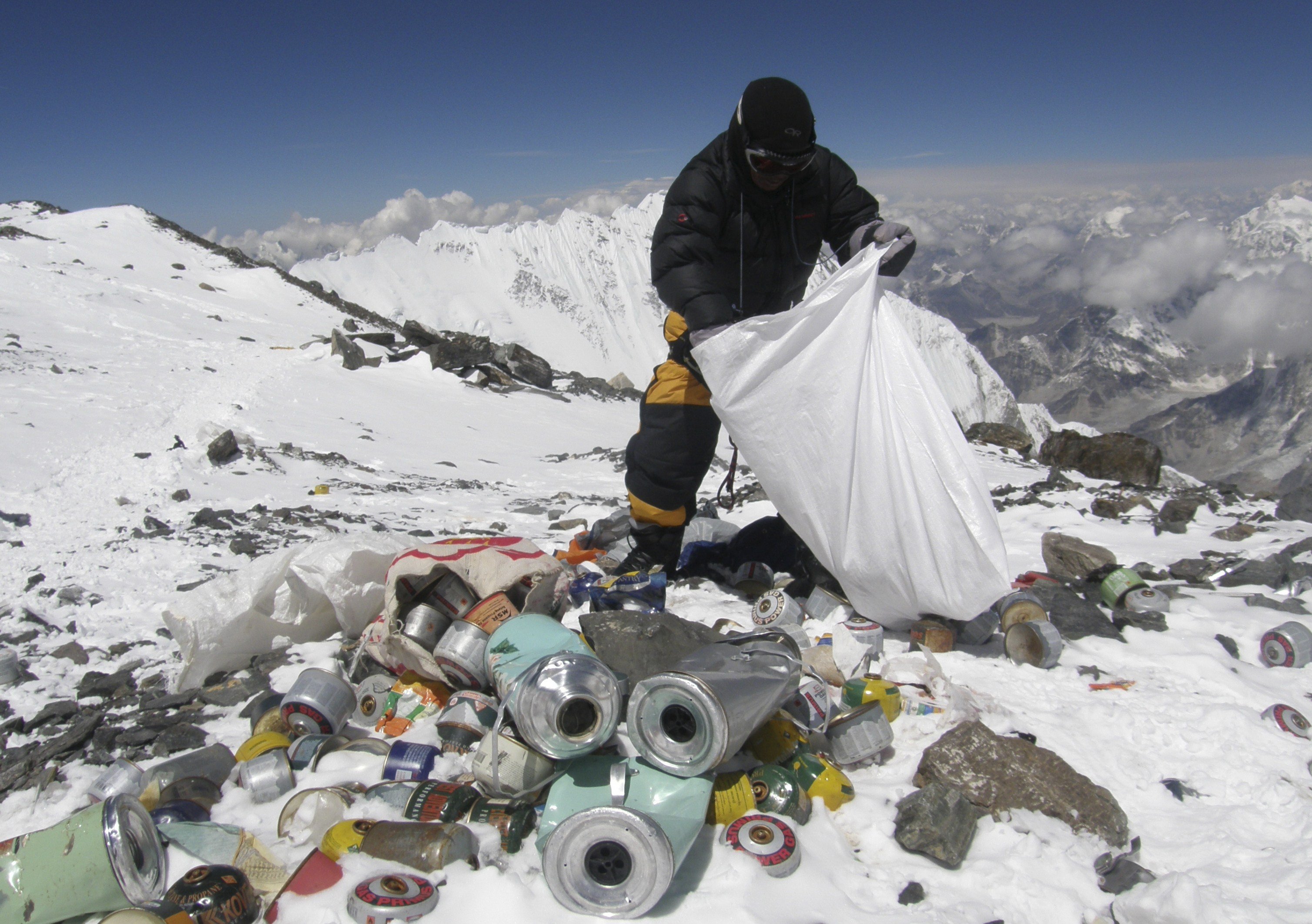
mouth-everest-cleanup-by-sherpas

Nepal cleared 11 tones of waste from Everest with the help of sherpas

Nepal Successfully Removes 11 Tons of Waste from Mount Everest with the Help of Sherpas: A Comprehensive Guide to the Everest Cleanup Effort

Introduction: A Monumental Cleanup on Mount Everest

Mount Everest, the world’s highest peak, stands as an awe-inspiring symbol of human achievement and natural beauty. However, with the increasing number of climbers and trekkers attempting to conquer the summit, the pristine environment of Everest has suffered greatly from the accumulation of garbage, discarded climbing equipment, and human waste. In response to the growing environmental concerns, Nepal recently undertook a significant cleanup operation, successfully removing 11 tons of waste from Everest in 2025.

This operation was carried out with the invaluable help of Sherpas, the resilient and skilled mountain guides who have long been essential to Everest expeditions. The Sherpas’ involvement was instrumental in ensuring the success of this massive cleanup, as they possess unparalleled knowledge of the mountain’s challenging terrain. This article will provide an in-depth look at the 2025 Everest cleanup, the role of the Sherpas, the environmental challenges, and the future of preserving Mount Everest’s natural beauty.

Mount Everest’s Waste Problem: An Alarming Reality

Mount Everest, known locally as Sagarmatha in Nepal and Chomolungma in Tibet, has long been a hub for climbers seeking to reach the ultimate summit. However, the rising number of expeditions to Everest in recent decades has also led to an increase in waste and pollution on the mountain. The harsh weather conditions, combined with the extreme altitudes, make it difficult to remove waste, resulting in litter accumulating at both the base camp and higher altitudes.

Over the years, Everest has become a dumping ground for a wide range of waste materials. Tents, oxygen cylinders, food wrappers, broken gear, and other forms of discarded equipment have cluttered the mountain’s slopes. Even human waste has become a significant issue, as climbers are often unable to dispose of waste properly in such a remote and extreme environment. As a result, the environmental impact on Everest has reached alarming levels, prompting Nepal to take serious action.

The 2025 Everest Cleanup: A Historic Achievement

In 2025, Nepal launched one of the most extensive cleanup campaigns in Everest’s history. This initiative was designed to address the ever-growing problem of waste on the mountain, ensuring that the natural beauty of Everest could be preserved for future generations. The cleanup operation was a coordinated effort between the Nepalese government, local environmental organizations, and the Sherpas—a group of local mountain guides with deep roots in Everest expeditions.

The operation’s goal was to remove a staggering 11 tons of waste from the mountain. This was no small feat, considering the high-altitude conditions, difficult terrain, and harsh weather. Yet, through careful planning, the collective effort of local Sherpas, mountaineers, and the Nepalese government, the cleanup was completed successfully, marking a monumental achievement in environmental preservation.

The Role of Sherpas: Unsung Heroes of Everest

The Sherpas of Nepal are legendary for their expertise in mountaineering, particularly when it comes to Everest expeditions. Over the years, these skilled guides have helped thousands of climbers ascend the world’s highest peak, navigating treacherous terrain and unpredictable weather conditions. Beyond their role as guides, Sherpas have become the unsung heroes of Everest, often carrying heavy loads and helping with the logistical aspects of expeditions.

In the 2025 cleanup effort, the Sherpas played a crucial role in transporting the waste from Everest’s higher altitudes. The waste, which included discarded tents, oxygen cylinders, food wrappers, climbing gear, and human waste, was carefully collected and carried down to Everest Base Camp. Sherpas, known for their resilience and strength, made multiple trips up and down the mountain to transport the 11 tons of waste. Their tireless work and expertise in navigating Everest’s treacherous terrain were key factors in the success of the cleanup initiative.

The Sherpas’ connection to Mount Everest goes beyond their livelihood. For many Sherpas, Everest is a sacred place, and they view the mountain not only as a source of income but also as a part of their cultural and spiritual identity. The cleanup effort was, therefore, not only about preserving the mountain for future climbers but also about honoring the deep cultural significance of the mountain.

The Environmental Impact of the Everest Cleanup

The removal of 11 tons of waste from Everest is a monumental achievement, but it is only the beginning of addressing the environmental challenges facing the region. Mount Everest’s ecosystem is fragile, and continued pollution poses significant threats to the health of its natural environment. Waste left on the mountain can impact the flora and fauna in the region, disrupt local ecosystems, and even threaten the safety of future climbers.

The cleanup of Mount Everest helps restore the mountain’s beauty and reduces the environmental hazards associated with the buildup of waste. Removing discarded equipment, broken tents, and used oxygen cylinders is essential to reducing the risk of fires and pollution that can contaminate the surrounding environment. Human waste, which has been a growing concern in the Everest region, also poses significant risks to the health of both climbers and local inhabitants.

Air and water quality around Mount Everest have been negatively impacted by the growing waste problem. The presence of oxygen tanks and discarded equipment could contribute to further degradation of the air, while the remnants of food, packaging, and waste can contaminate the region’s fragile water systems. The Everest cleanup is an important step toward mitigating these risks and restoring the environment to its natural state.

Future Efforts: Ensuring Long-Term Sustainability

The 2025 cleanup operation is part of Nepal’s broader strategy to combat waste on Everest and ensure the long-term sustainability of its tourism industry. As tourism to Mount Everest continues to grow, the challenge of managing waste will only become more pressing. To tackle this issue, Nepal has introduced several new regulations aimed at minimizing the amount of waste left on the mountain.

One of the most important measures introduced is the requirement for climbers to bring back a certain amount of waste. This includes oxygen cylinders, food wrappers, and other non-biodegradable materials. Climbers are also required to submit a refundable deposit when applying for permits to climb Everest. This deposit is refunded only when the climber can prove that they have brought down a specific amount of waste. This regulation serves as an incentive for climbers to be more responsible with their waste disposal during their expeditions.

Furthermore, the Nepalese government is working closely with local environmental organizations to raise awareness among trekkers and climbers about the importance of responsible tourism. Educational campaigns are being carried out to inform visitors about the environmental impact of their activities on Mount Everest and the surrounding region. By encouraging climbers to adopt sustainable practices and reduce their waste, Nepal hopes to prevent future pollution and preserve the mountain for future generations.

The Economic and Cultural Significance of Mount Everest

Mount Everest holds immense cultural, spiritual, and economic value for the people of Nepal. For centuries, the Sherpas and other local communities have lived in the shadow of Everest, relying on the mountain for their livelihoods. Tourism, particularly mountaineering expeditions, has become a key source of income for many families in the region.

However, the environmental degradation of Mount Everest threatens not only the natural beauty of the mountain but also the long-term sustainability of Everest tourism. If left unaddressed, pollution could lead to a decline in tourism, which would directly impact the local economy. The cleanup effort is, therefore, not only about preserving the mountain’s aesthetic value but also about ensuring the economic well-being of those who depend on it.

Conclusion: A Cleaner, Greener Future for Mount Everest

The 2025 cleanup of Mount Everest is a shining example of how collective efforts, guided by local knowledge and expertise, can help address some of the world’s most pressing environmental challenges. Thanks to the dedication of the Sherpas and the support of Nepal’s government, 11 tons of waste have been removed from the mountain, marking a significant step toward preserving Everest’s natural beauty.

While this cleanup is a monumental achievement, it is only the first step in ensuring the long-term health of the Everest region. With continued awareness, stricter regulations, and a commitment to responsible tourism, the future of Mount Everest looks brighter. As the world’s highest peak continues to inspire climbers and adventurers, it is crucial that we all work together to protect and preserve this iconic natural wonder for generations to come.

Through the perseverance of the Sherpas and the collaborative efforts of the Nepalese government and international organizations, Mount Everest can continue to stand as a symbol of not only human achievement but also environmental stewardship. The cleanup effort serves as a reminder of the importance of caring for our natural world and the role each of us plays in safeguarding its beauty and integrity.

4 Replies to “Nepal cleared 11 tones of waste from Everest with the help of sherpas”

  1. I just wondered if you’ve planned any effective marketing yet for your site this year. I’m self-employed carrying this out for various businesses for several years now, I feed my family doing it so I won’t complain. I have a method of getting immediate interested traffic and buyers to your site through social media channels and email. In addition to getting more likes, followers for all of your social media accounts. I have a brand new program that’s just been completed that listens to any or all social mentions being made, if a certain word or phrase is detected, we instantly send back to them a message that they need to visit your site. We are able to use as many search terms as we wish, hundreds of targeted visits a day. I can also assist you in making/updating your site, fix site errors add updates etc. If you might need it.

    In addition to that, I’d also like to find out what your competitors have done that we havn’t done yet and address those issues asap. I’d also like to produce a video or two about your site and get them to rank high pretty quickly. Lastly I’ve a large database of opt in customers which are enthusiastic about what it is you do, so if you’d want to expand your present newsletter list i’d like to know, I can enable you to get these records whenever you’d like them. They’d get you instant leads by supplying you with a list of people or businesses that are looking for just what it is you’re offering.

    I take advantage of tools that a lot of individuals don’t find out about or don’t have time to use for themselves and I would like to use them on your site. If your’re to busy with current clients I get it, I was just wondering was all. I’d like to know if you’d like more info or references, I do have more than I know what to do with.

    Winston
    1.319.423.9473

  2. Its like you learn my thoughts! You seem to understand so much approximately this, like you wrote the e book in it or something. I believe that you can do with a few percent to power the message home a little bit, but instead of that, that is wonderful blog. A great read. I will definitely be back.

Leave a Reply

Your email address will not be published. Required fields are marked *